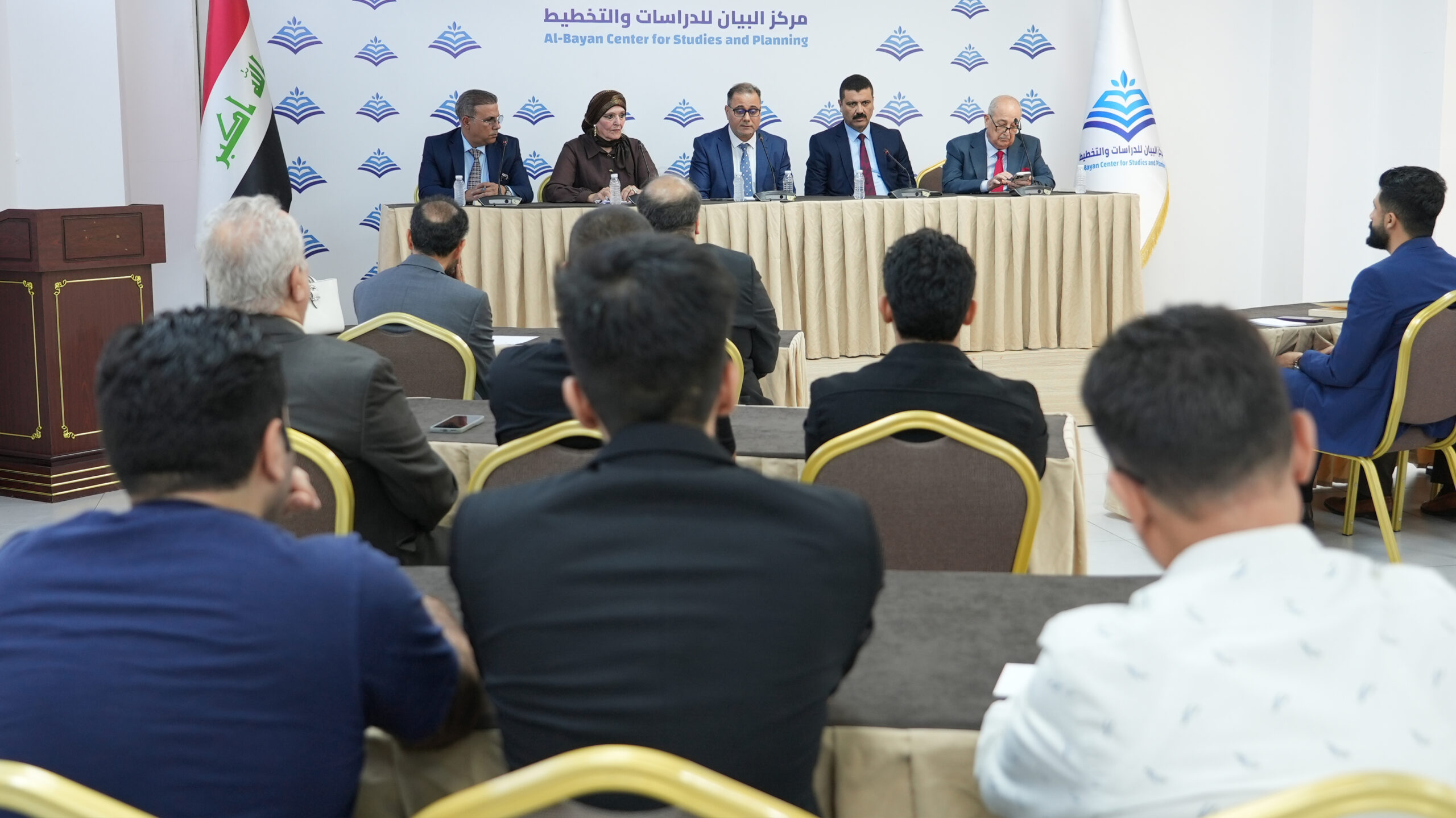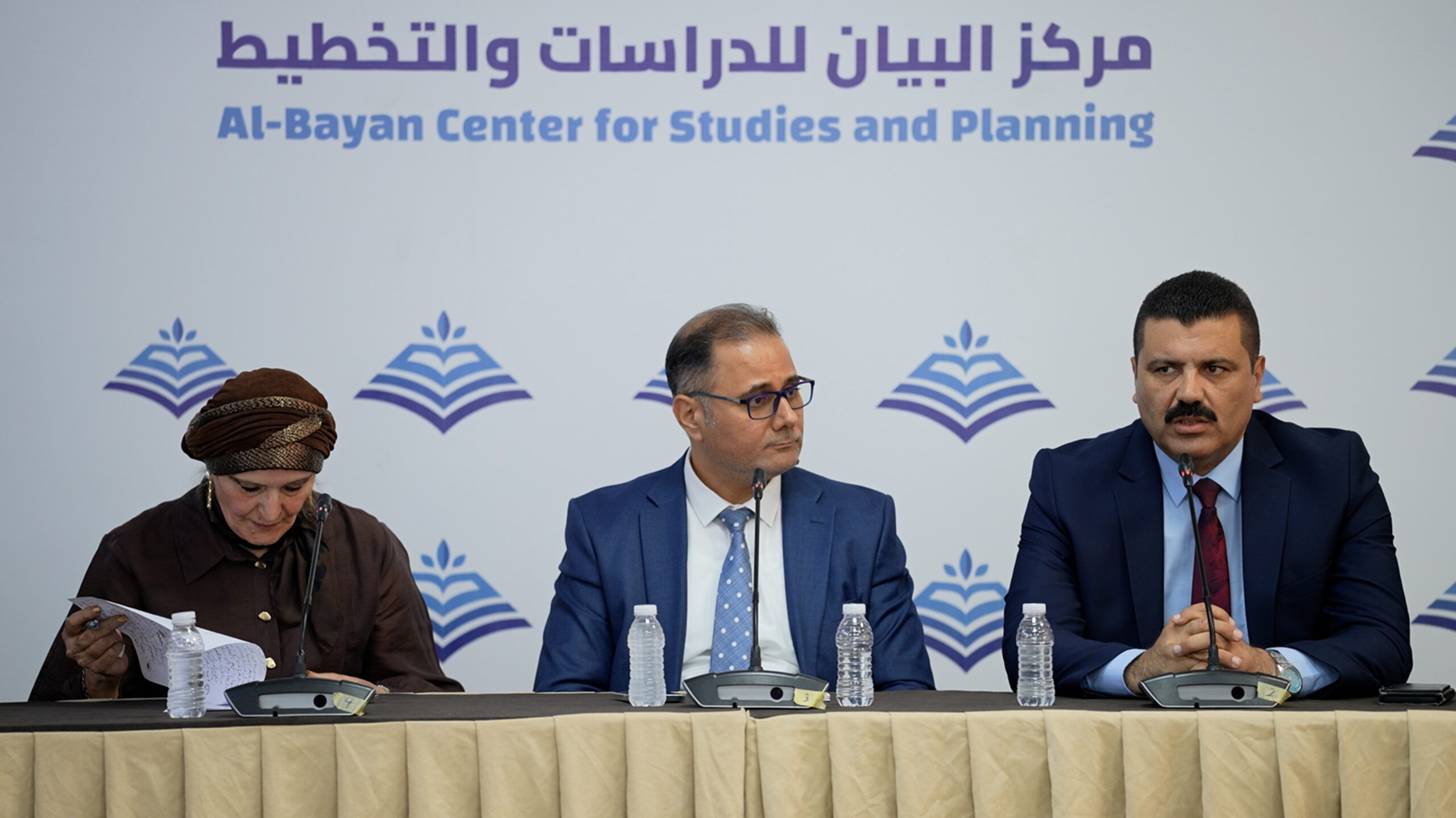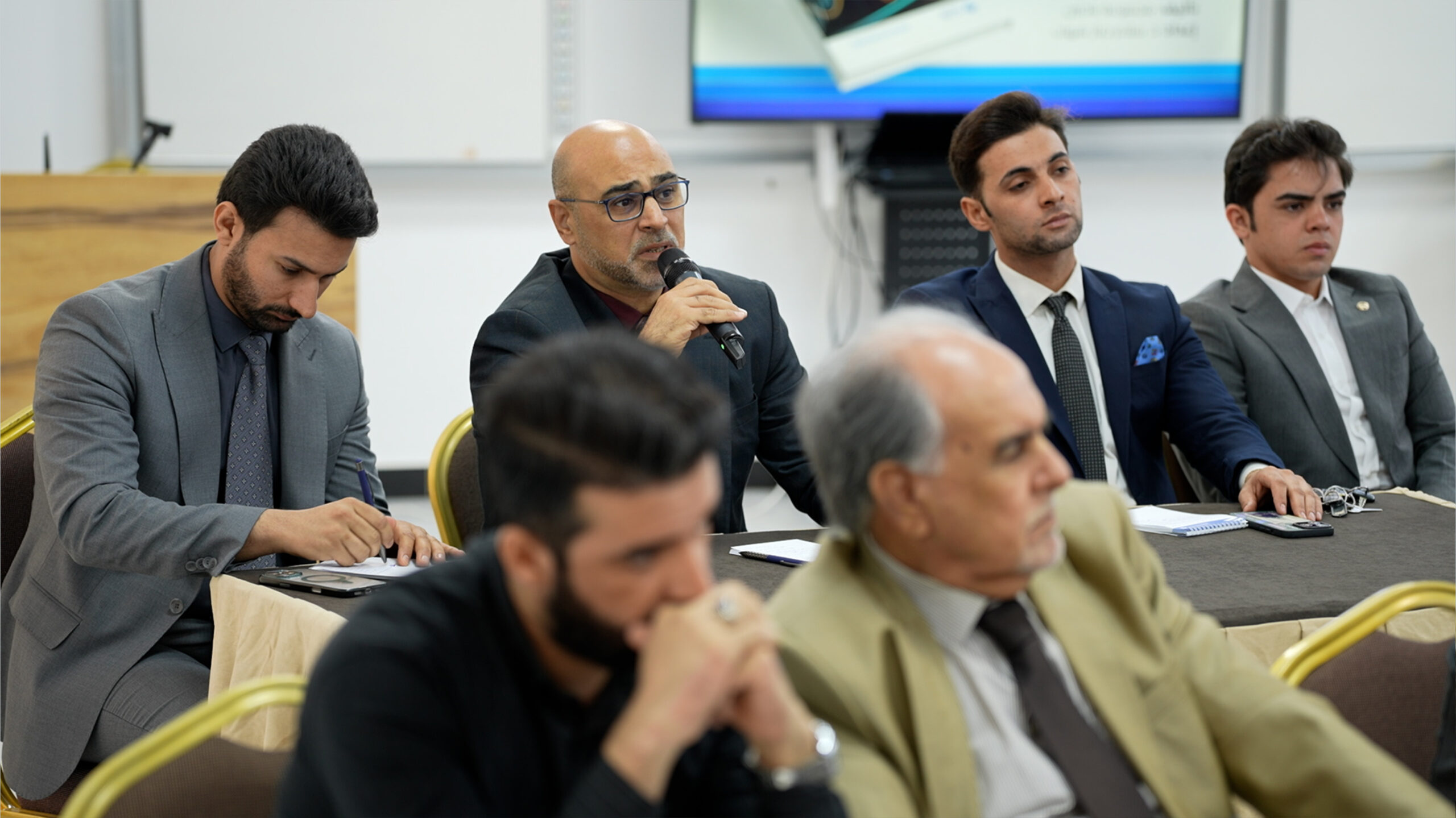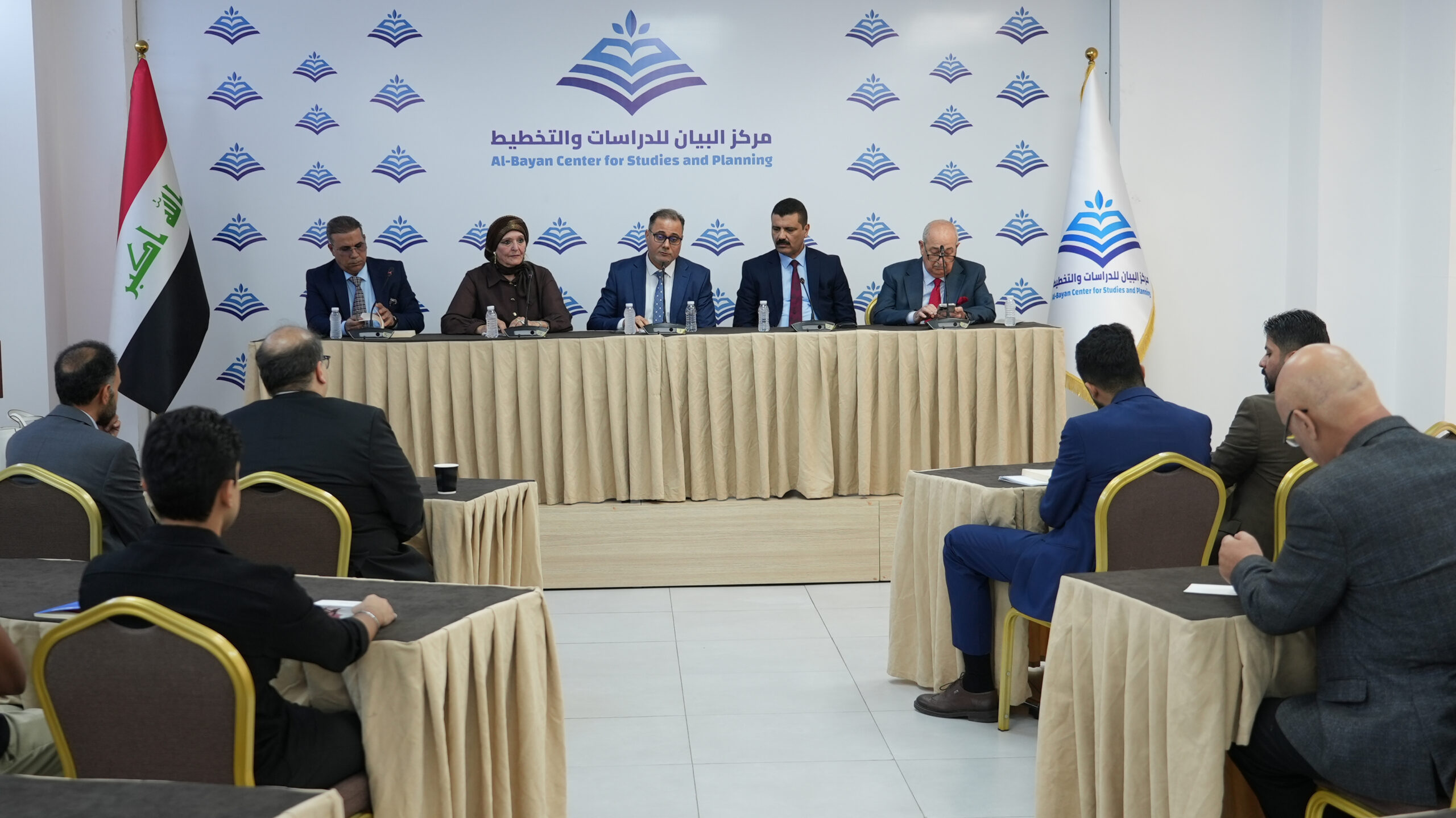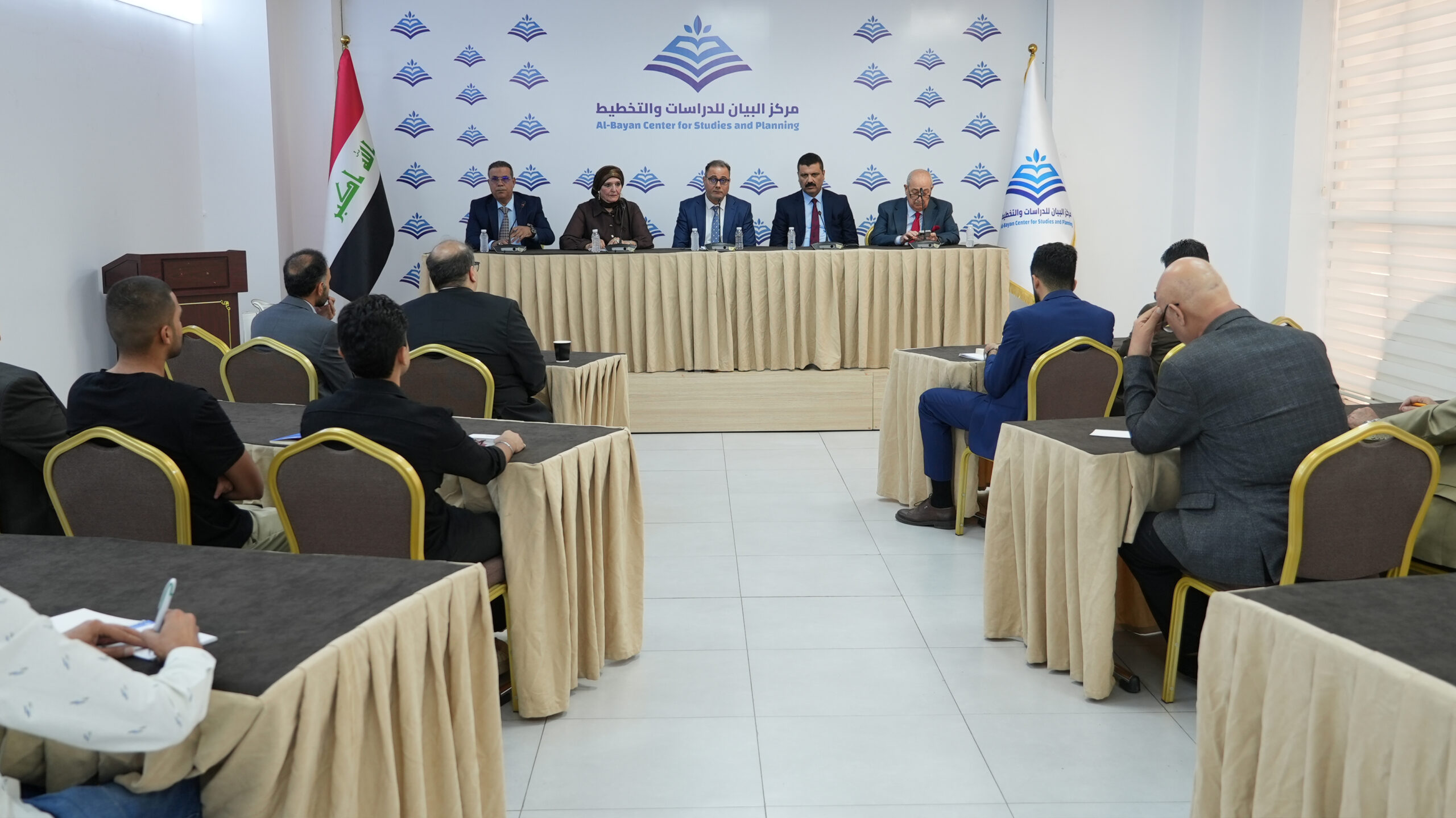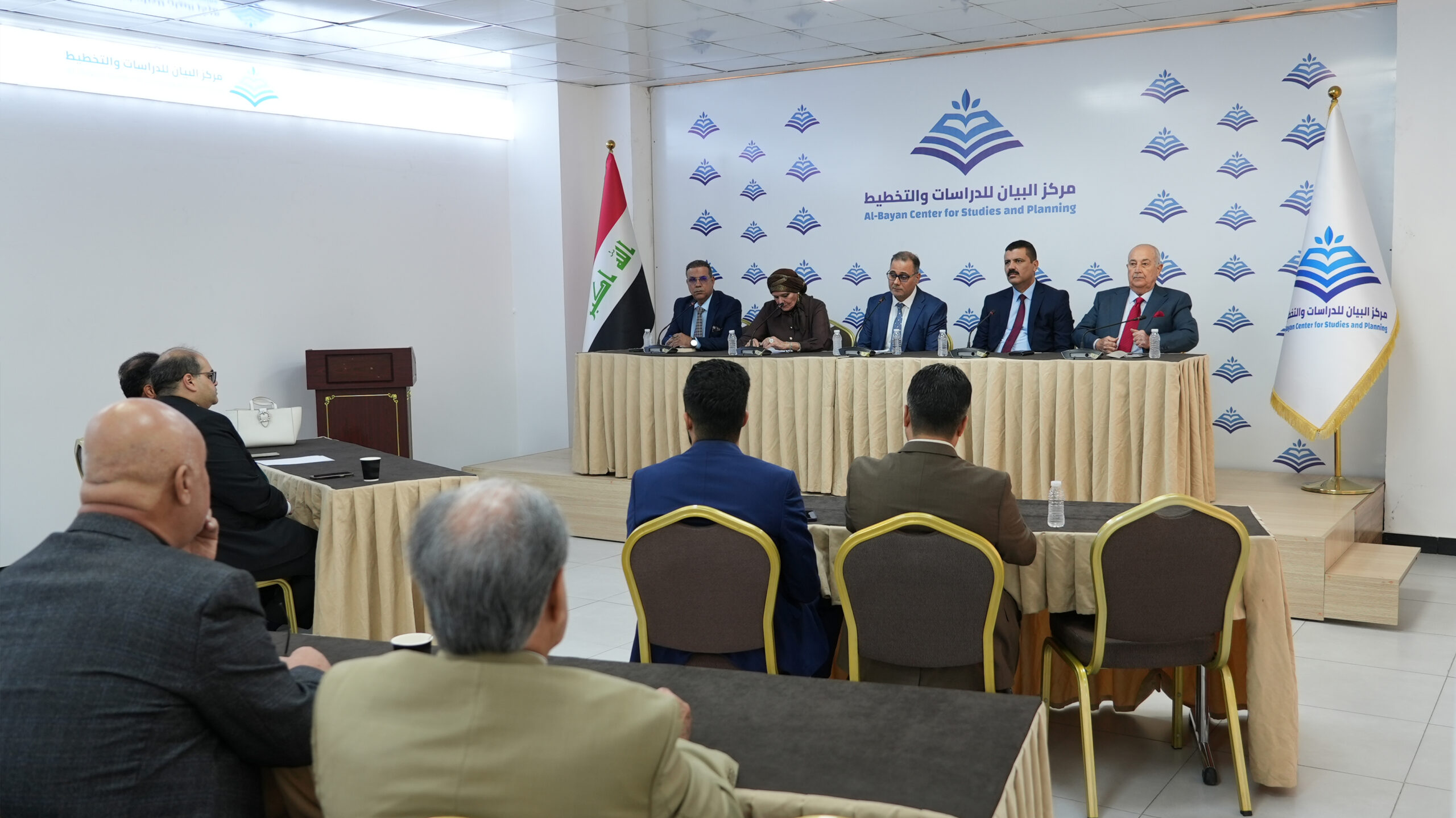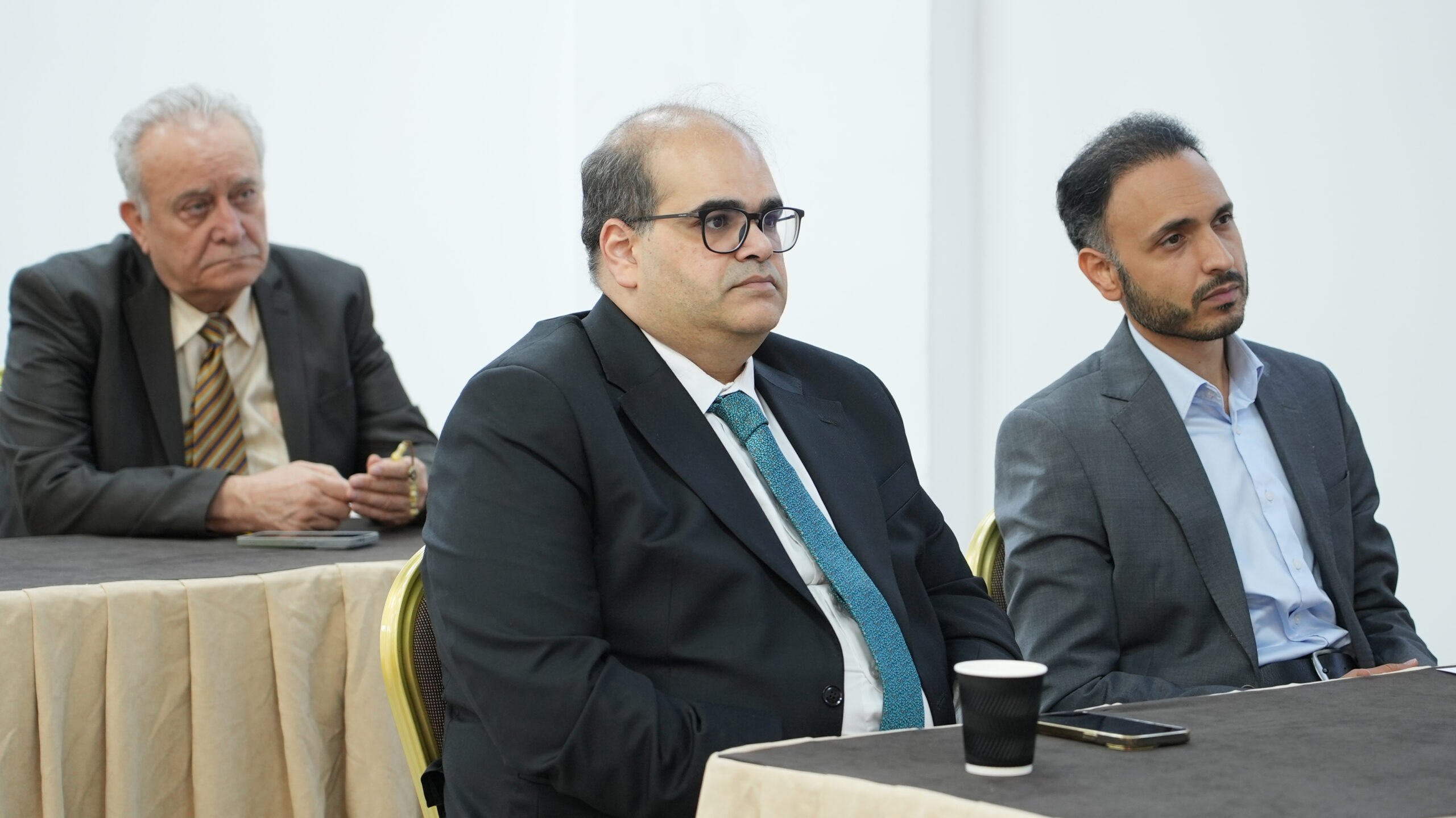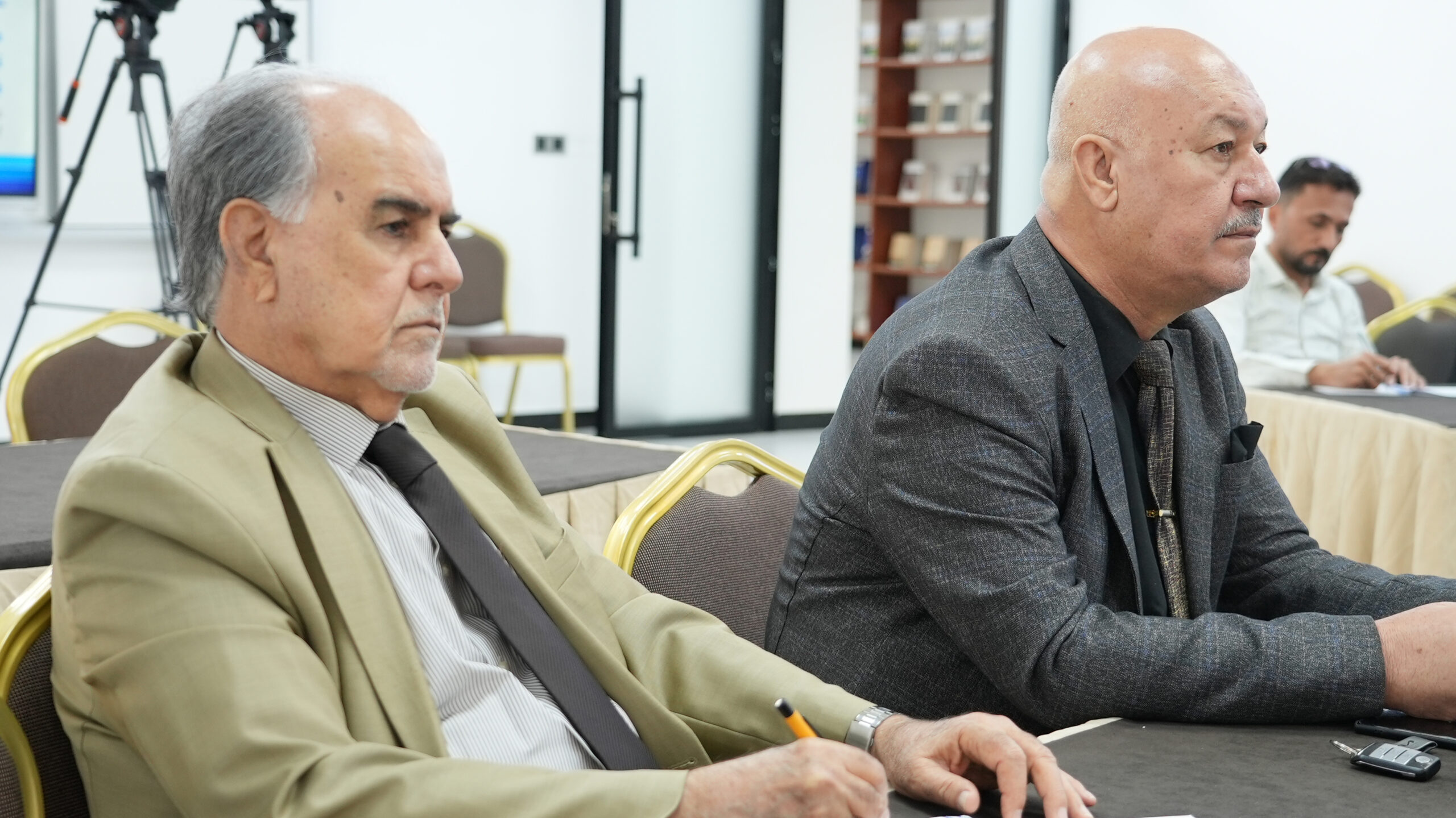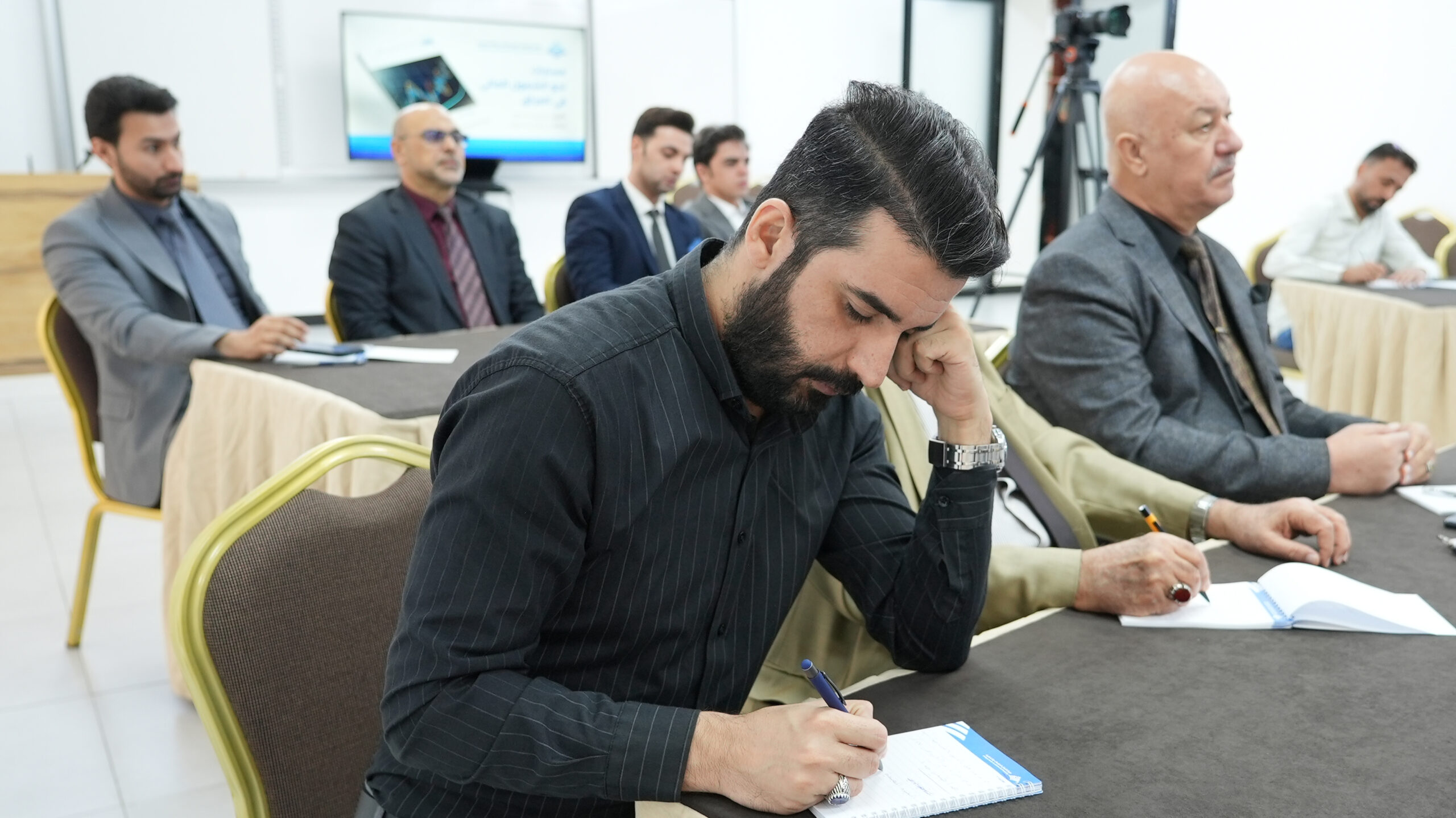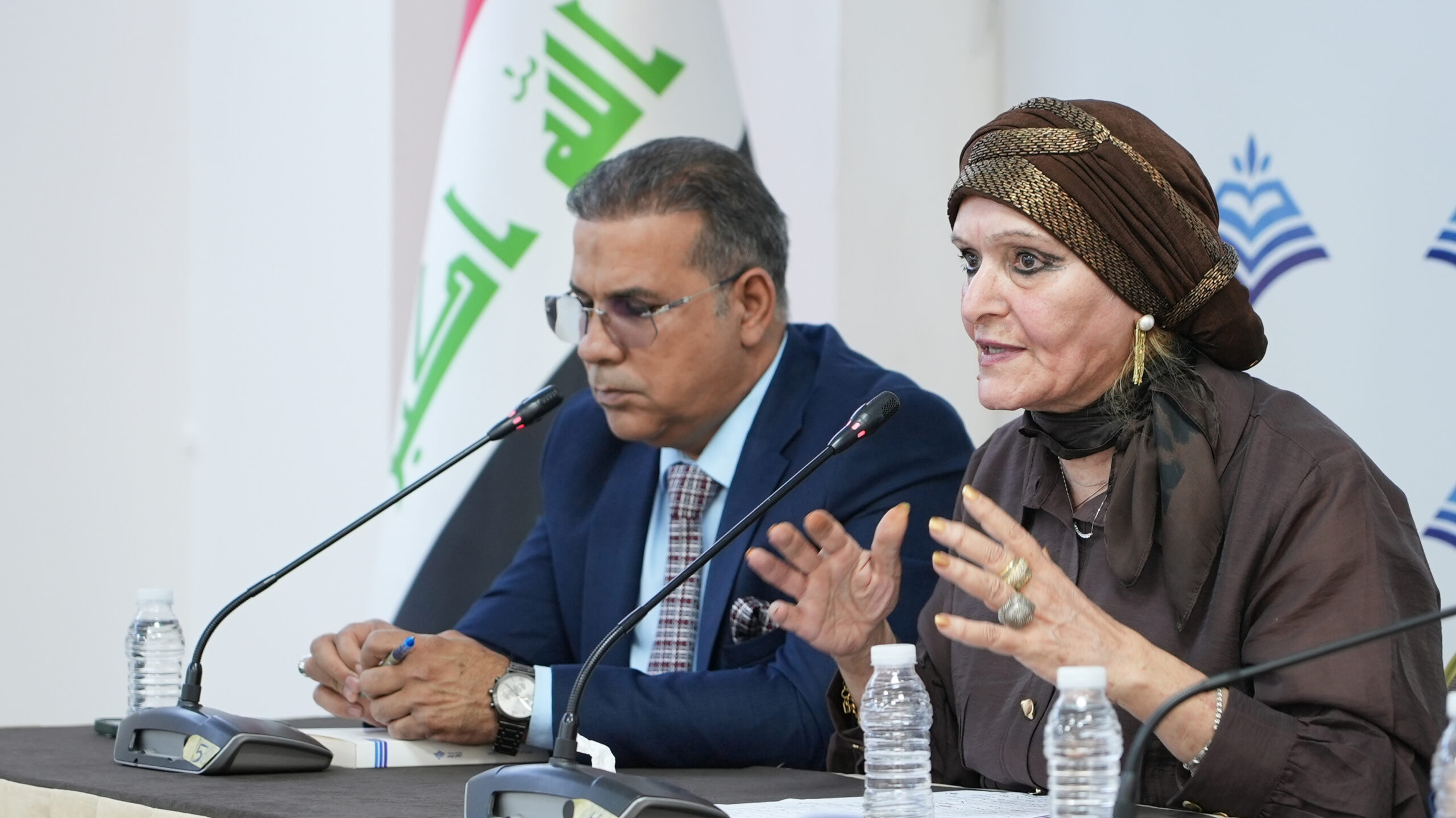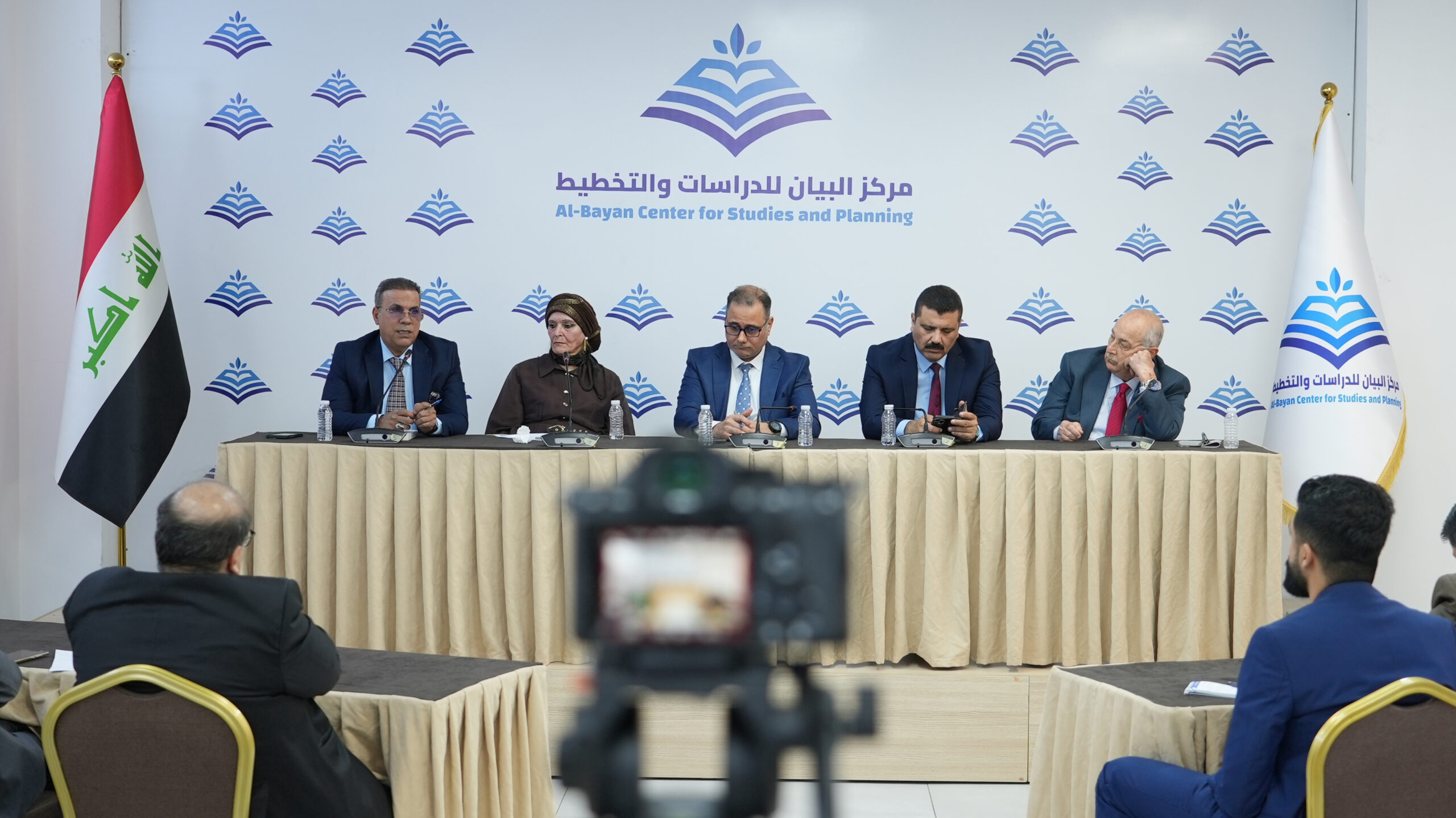

Al-Bayan Center for Studies and Planning organized a dialogue seminar on financial inclusion in Iraq, coinciding with the release of the book “Paths Towards Financial Inclusion in Iraq.” The seminar brought together experts from the economic and financial sectors, government officials, and the book’s authors.
The center hosted the following speakers:
- Dr. Sabah Jundi Mansour, Director General of Economic and Financial Policies at the Ministry of Planning
- Alaa Al-Fahd, representing the Central Bank of Iraq
- Dr. Wafaa Al-Mahdawi, Professor of Economics and Financial Expert at the Ministry of Planning
- Dr. Mahmoud Dagher, Financial and Economic Expert
- Dr. Salam Jabbar, Researcher in Economic Affairs
The speakers highlighted that financial inclusion is a core component of the National Development Plan launched last year, which involves ministries, official institutions, and the private sector. The initiative aims to address national economic challenges while ensuring wider access to financial services for all segments of society-particularly the poor and marginalized.
The discussion also emphasized the importance of promoting women’s entrepreneurship and economic empowerment by facilitating access to financial services and loans, thereby contributing to economic stability and enhancing women’s role in national development.
Participants underscored that financial inclusion is a key pillar for achieving the Sustainable Development Goals. This involves building a comprehensive financial system that provides essential services-such as savings, credit, insurance, and payment systems-while also integrating informal economic activities into the formal economy.
The newly released book offers a comprehensive vision of the different pathways to financial inclusion in Iraq, focusing on establishing solid foundations, addressing key challenges, and building mutual trust between citizens and banking institutions. Such measures, the book argues, are critical to advancing development and achieving broader economic stability.